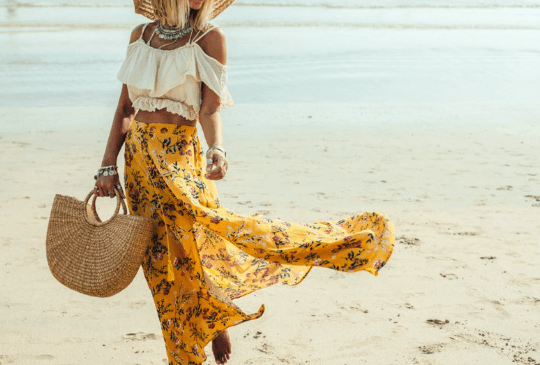
In hot and humid climates, comfort naturally leads the design brief. Fabrics must breathe, dry quickly, and feel light on the skin. Silhouettes stay relaxed to prevent cling, with layers that wick moisture without bulk. Practical color blocks and simple, rain-ready outerwear keep air moving while offering protection. The goal is practical ease that lasts from first sip of morning to last light of evening, leaving the reader curious about specific choices to achieve it.
Why Comfort Wins in Hot and Humid Climates
In hot and humid climates, comfort often takes precedence over style, guiding clothing choices toward practicality. The logic is straightforward: breathable fabrics and effective moisture management keep bodies cooler and drier, reducing cling and heat buildup.
Practical wardrobes prioritize lightweight layers, air flow, and easy movement. Breathing garments enable freedom, while moisture management sustains stamina and reduces fatigue throughout the day.
Fabrics, Fits, and Silhouettes for Heat
Fabric choices for heat lean toward lightweight, breathable options that wick moisture and allow air to circulate. In practice, fabrics for breathability prioritize moisture management and quick-dry fibers. Fits should permit movement without cling, while silhouettes for airflow favor relaxed lines and open weaves. The aim: comfortable, unfettered wear that stays cool, confident, and unfussy despite steam and sun.
Everyday Wardrobe Staples That Stay Light and Fresh
For hot and humid climates, everyday staples that stay light and fresh center on versatile, breathable pieces that endure daily wear without weighing down the wearer. Light fabrics define comfort, breathable fits promote ease, and moisture wicking basics keep skin dry. Minimal showerproof outerwear offers practical protection, while freedom of movement remains essential for a relaxed, confident wardrobe.
Layering and Color Strategies That Breeze Through the Day
Layering in hot, humid weather should feel effortless: start with breathable base layers, add light mid-layers only when needed, and finish with moisture-wicking outer pieces that can shed heat rather than trap it.
Light fabrics and color blocking guide daily schemes, while breathable weaves support silhouette scaling and freedom, ensuring practical, breezy movement throughout the day.
See also: The Future of Sustainable Technology
Frequently Asked Questions
How to Choose Sun-Protective Fabrics Without Overheating?
Fabric breathability and sun protection can coexist: choose lightweight, tightly woven or UPF-rated fabrics, favor airy blends, and lean toward moisture-wicking materials. Stay breezy, layer loosely, and use breathable hats to prevent overheating while shielding skin.
What Lightweight Footwear Dries Fastest in Humidity?
Even as sneakers dry, sandals stay cooler; lightweight footwear dries fastest in humidity. The contrast highlights speed, while fabric drying remains a distant mirror to quick-drying soles, practical, breezy guidance for Savvy wearers seeking freedom.
Can Colors Affect Sweat Visibility on Humid Days?
Colors do affect sweat visibility on humid days; lighter tones often reveal less dampness than darks. Color visibility considerations tie into practical sweat management, guiding fabric choices, moisture-wicking layers, and breathable silhouettes for freedom-loving wearers.
How to Pack Outfits for Unpredictable Rain?
A notable statistic shows 28% of travelers mispack for rain, prompting caution. He considers packing options and weather proof layering, choosing lightweight rain shells and quick-dry layers. The approach remains practical, breezy, and freedom-minded for any forecast.
Which Accessories Balance Heat With Sun Protection?
Sunscreen friendly hats pair with UV blocking sunglasses and breathable scarves to balance heat and sun protection; the ensemble stays practical and breezy, allowing freedom of movement while shielding skin, eyes, and neck from harsh light during hot, humid days.
Conclusion
In hot and humid climates, comfort leads the way, and clothing choices reflect that priority. Fabrics with open weaves, breathable fits, and quick-drying fibers keep movement easy and skin dry, while light colors and practical layer pieces prevent overheating. A practical, breezy approach turns every day into a smooth glide, not a chore. When in doubt, choose airflow over restraint—layer lightly, move freely, and let moisture wick away. The result is simply legendary comfort that feels almost superhuman.